
How 5G Is Changing Mobile Connectivity for Travellers
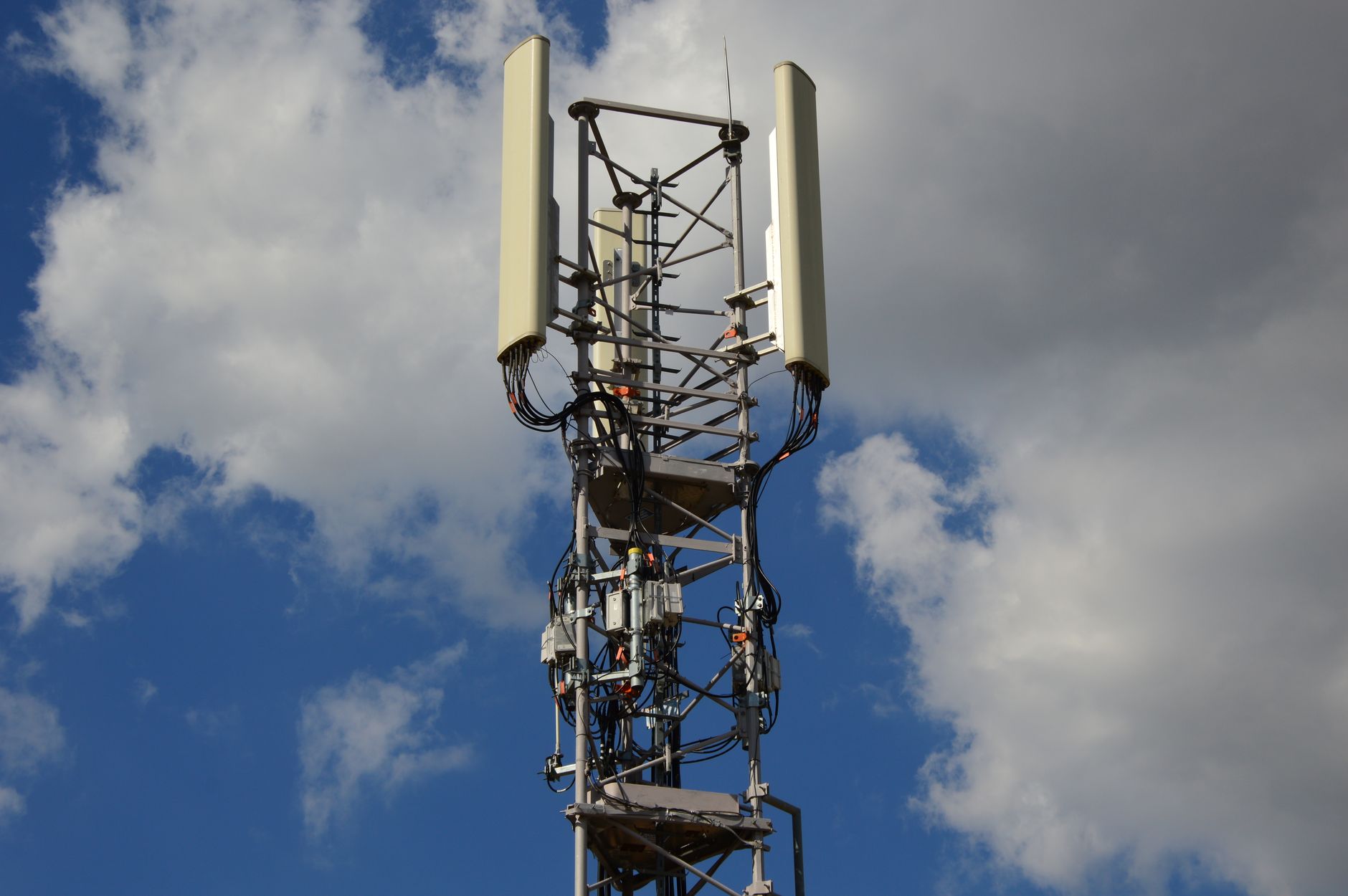
For the first three or four years of 5G rollout, the practical answer to "should I care about 5G as a traveller?" was pretty much no. The coverage was sparse, the phones were expensive, and the real-world speed difference was marginal unless you were right next to a tower.
That's changed. 5G is now meaningful in a lot of places travellers actually go.
Where 5G actually works in 2026
Most major city centres in Western Europe, Japan, South Korea, the US, and Australia have solid 5G coverage. Tokyo and Seoul are genuinely excellent - sub-6GHz 5G is practically everywhere in the urban areas, and some mmWave deployment in dense commercial districts gives you speed that feels like fibre.
Dubai has been aggressive about 5G rollout. The city centre, marina area, and airport are all well covered. Same story for Singapore.
In the UK, all four major carriers have 5G in most city centres. London coverage is dense. Regional cities like Manchester, Edinburgh, and Birmingham are mostly covered in central areas.
The US is more complicated. T-Mobile's mid-band 5G (2.5GHz) is excellent in metro areas and genuinely fast. Verizon's mmWave is impressive but only covers tiny geographic areas. AT&T's 5G is decent but not as widespread as T-Mobile's.
What it means practically
For most traveller use cases - Maps, messaging, social media - 4G is plenty and you won't notice the difference. 5G starts to matter when you're doing things that actually need bandwidth: video calls with no lag, downloading a large file in seconds, or streaming 4K in a hotel room without buffering.
The bigger practical benefit isn't peak speed - it's network capacity. 5G handles more simultaneous users without degrading. At a crowded festival, airport, or tourist attraction where 4G would throttle to crawl, 5G holds up much better. That's the everyday win most people notice first.
Do eSIM plans give you 5G?
Depends on the plan. Many international eSIM plans are still 4G-only by default - check before buying if 5G access matters to you. Vsimer's plans specify whether 5G is included. The price difference between 4G and 5G plans is usually small, so for newer 5G-capable phones it's worth paying for 5G if it's available for your destination.
A few honest caveats
Indoor 5G coverage is still spottier than 4G in many buildings. The higher frequencies used for 5G don't penetrate walls as well as 4G's 700-900MHz bands. You might have strong 5G signal outside and then drop to 4G the moment you walk into a thick-walled old building.
Battery life takes a mild hit when your phone is actively using 5G. Not dramatic - maybe 5-10% more drain in heavy use - but worth knowing if you're already stretching a charge through a long sightseeing day.
5G is also irrelevant if your phone doesn't support it. If you're travelling with a phone from 2020 or earlier, none of this applies.