
What Is an eSIM and How Does It Work?
Your phone has had eSIM capability for years. There's a good chance you've never used it.
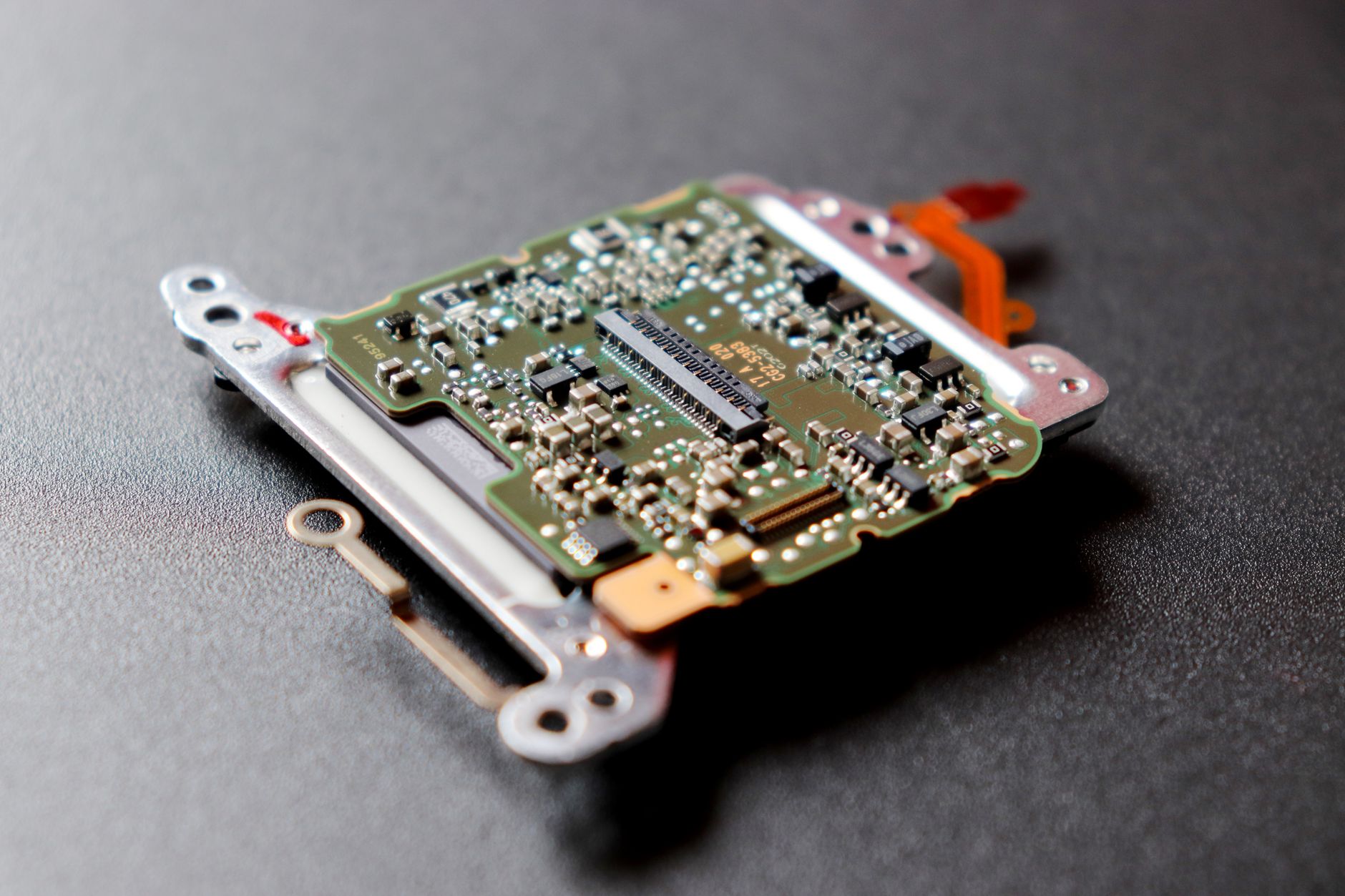
An eSIM is a SIM card built directly into your phone's hardware. No tray, no tiny plastic card, no needing a paperclip to eject anything. The "e" stands for embedded - it's soldered onto the motherboard and can be programmed remotely with carrier information, which means you can switch networks without ever touching a physical SIM.
That's the core of it. The rest is just details.
How does it actually work?
When you buy a plan from an eSIM provider, you get a QR code. You scan that QR code in your phone's settings, it downloads what's called a carrier profile, and your phone connects to that network. The whole thing takes under two minutes if your internet connection is decent.
The profile contains the same information a physical SIM would - your subscriber identity, authentication keys, network preferences. The difference is that this data is written electronically rather than stored on a chip you carry around.
You can store multiple profiles on a single eSIM, though most phones only activate one at a time. Some newer Android devices let you run two simultaneously - useful if you want your home number active while using a local data plan abroad.
Which phones support eSIM?
Most flagships from the last four or five years. iPhone XS and later, all Pixel phones from Pixel 3 onwards, Samsung Galaxy S20 and newer, most recent iPads. The list is long. Check our full compatibility guide if you're not sure about your specific model - some carrier-locked or regional variants have eSIM disabled even if the hardware supports it.
One thing to watch: phones sold in mainland China often ship with eSIM disabled. Same goes for some older US carrier-locked iPhones. It's worth checking before you assume you're good to go.
eSIM vs physical SIM - does it matter?
For everyday home use? Not really. You probably have one carrier, one SIM, done.
For travel, it changes things significantly. Instead of hunting for a local SIM shop at an unfamiliar airport, dealing with language barriers, or paying your home carrier £8/day for "international roaming," you activate a local data plan before you even board the flight. Price difference can be dramatic - I've paid £3 for a week of data in Europe via eSIM versus the £40+ roaming charges I used to rack up.
The read-through on eSIM vs physical SIM for travel goes into this more if you want the full comparison.
A few things eSIM can't do
Some carriers still don't support eSIM at all - mostly smaller regional operators. If you're somewhere remote, a physical SIM from a local shop might be your only option. eSIM also requires an internet connection to download the profile in the first place, which creates a chicken-and-egg problem at some destinations. The solution is simple: buy the plan on your home Wi-Fi before you travel.
And if you lose your phone, you can't just pop your SIM into a borrowed handset. Your eSIM profile is tied to your device. Most providers let you transfer or reissue, but it takes more steps than pulling out a physical card.
Is eSIM the future?
Almost certainly. Apple removed the physical SIM slot entirely from US-model iPhone 14s and 15s. Other manufacturers are heading the same direction. The physical SIM card has been around since 1991 and it's slowly being phased out.
For travellers, that's genuinely good news. Vsimer covers 200+ countries, and buying a plan takes about as long as ordering a coffee. The days of queueing at airport kiosks are numbered.